
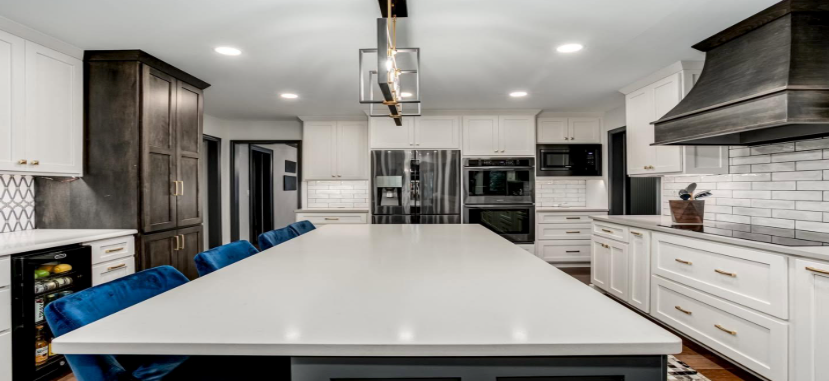
This is a subtitle for your new post
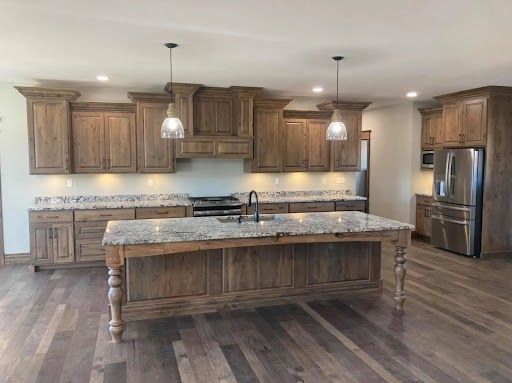
Compare high end cabinets in Kansas City, KS to stock options. Real hardwood, in-house builds, and expert install. Call 785-893-2148 today.
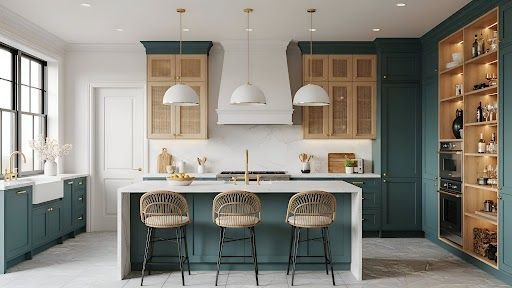
Luxury kitchen cabinets in Leawood, KS are trending toward warm wood tones and mixed materials in 2026. Prairie Winds Woodworking builds each kitchen in house. Call 785-893-2148.
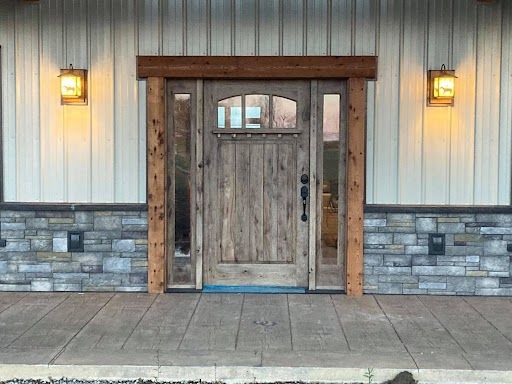
Comparing custom interior doors Overland Park, KS options with exterior and sliding doors. Prairie Winds Woodworking explains each type. Call 785-893-2148.
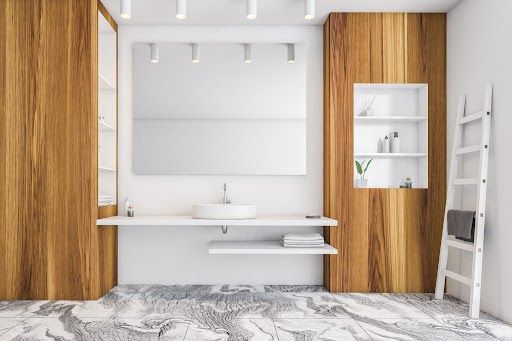
Looking for a custom wood cabinet in Lenexa, KS for a bathroom or storage space? Real hardwood, custom fit, and in-house build. Call 785-893-2148 today.
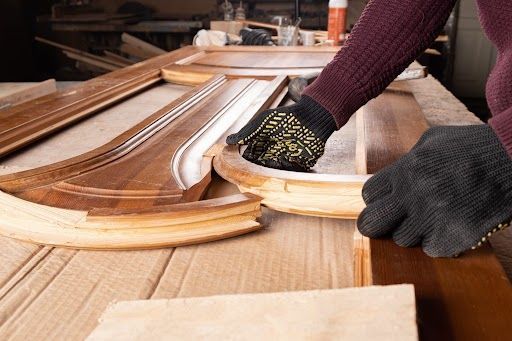
Explore moulding and millwork in Kansas City, KS, including custom trim profiles and crown molding built in-house. Call 785-893-2148 today.
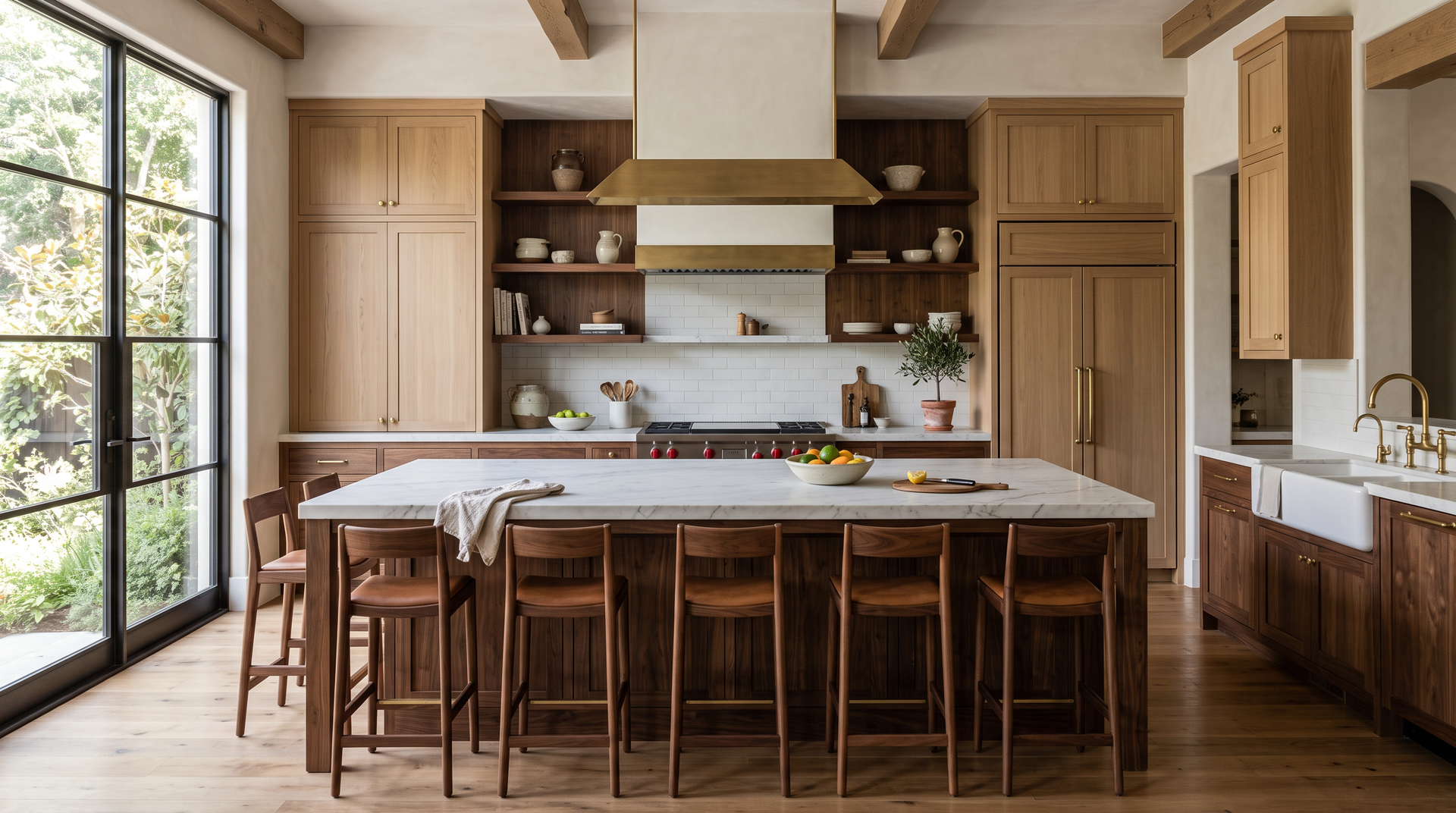
Executive Summary: Modern kitchen renovations in Johnson County demand a balance between architectural integrity, durable hardwoods, and purposeful storage. Selecting luxury kitchen cabinets in Leawood, KS allows homeowners to transition away from mass-manufactured modular boxes toward custom-milled cabinetry engineered for decades of daily life. This guide outlines how local craftsmanship, selective timber sourcing, and bespoke joinery define high-end residential spaces across the Kansas City metro area. Investing in custom kitchen cabinetry transforms the heart of your home from a standard cooking space into an architectural centerpiece. For estate properties and modern residences throughout Leawood, KS, standard stock boxes fail to deliver the proportions, custom finishes, and wood durability required for long-term value. True luxury cabinetry combines heirloom joinery, precision in-house milling, and tailored interior storage designed specifically around your cooking, hosting, and lifestyle needs. 📌 Key Takeaways (TL;DR) Bespoke Precision: Custom luxury cabinets are built to exact ceiling and wall dimensions, eliminating filler strips and maximizing vertical storage. Superior Materials: Solid regional hardwoods like white oak, walnut, and hard maple paired with 3/4-inch furniture-grade plywood outlast commercial particleboard. Integrated Living: Concealed pantry doors, flush-inset construction, and bespoke appliance panels create cohesive visual flow across open-concept layouts. 🔎 High-Intent Query Definitions What defines luxury kitchen cabinets in Leawood, KS? Custom-engineered cabinetry built with solid hardwoods, full 3/4-inch furniture-grade box construction, precision flush-inset doors, and industrial hand-applied finishes tailored to specific architectural floor plans. How long does custom cabinet fabrication take? Comprehensive custom kitchen fabrication and finishing typically require 8 to 14 weeks from finalized shop drawings to installation, ensuring exacting quality control at every stage. The Evolution of High-End Kitchen Architecture in Johnson County Kitchen design throughout Johnson County has shifted dramatically over the past decade. Homes in communities like Leawood and Mission Hills previously relied on ornate, heavy raised-panel styles with heavy glazed finishes. Today, high-end homeowners gravitate toward clean, architecturally grounded aesthetics where raw material quality and refined proportions take center stage. As residential floor plans embrace wide open-concept entertaining areas, the kitchen is no longer a hidden utility room. It serves as an extension of the primary living space, visible from the great room, dining area, and entryway. According to recent sustainable kitchen cabinetry trends , modern luxury is defined by responsible timber sourcing, low-VOC finishes, and enduring construction that eliminates the cycle of premature remodeling. When cabinetry is built by hand in a dedicated shop, every face frame, door profile, and crown moulding matches the existing architectural lines of the residence. This level of intentional detailing cannot be replicated by factory modular lines that rely on fixed 3-inch increments and plastic adjustment brackets. Frameless vs. Inset Construction: Choosing Your Cabinet Style Understanding cabinet construction methods is the first step in planning a luxury renovation. The build method determines durability, interior capacity, and visual profile.

Luxury kitchen cabinets in Leawood, KS represent the foundation of modern high-end architectural living, combining solid hardwood joinery, flush inset profiles, and tailored interior storage. Rather than relying on mass-produced modular boxes, discerning homeowners across Johnson County now prioritize custom millwork, rich walnut and white oak textures, and integrated prep spaces that serve daily living while adding enduring value to residential properties.
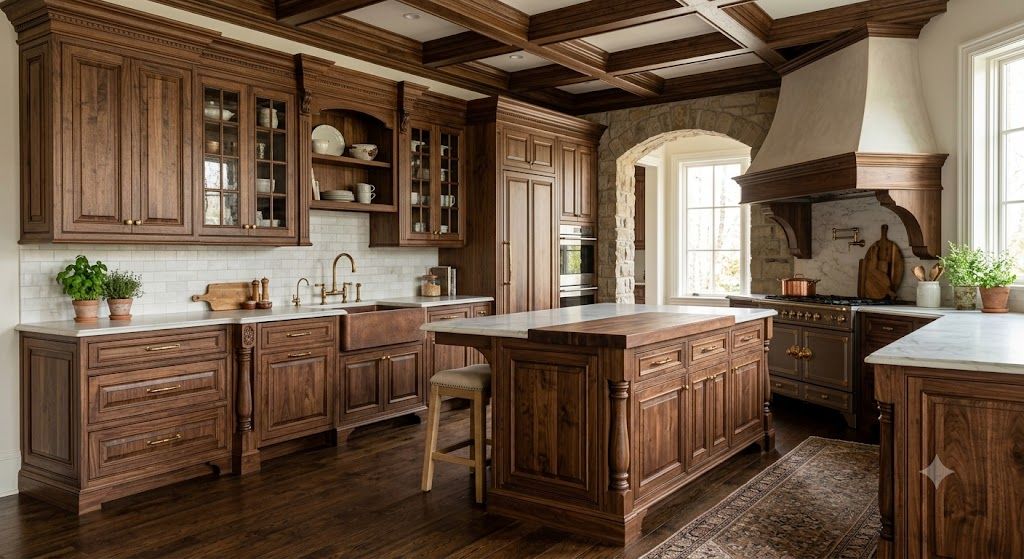
Learn 9 details that define truly custom luxury kitchen cabinets, from real wood and tailored storage to finishes and precision installation.
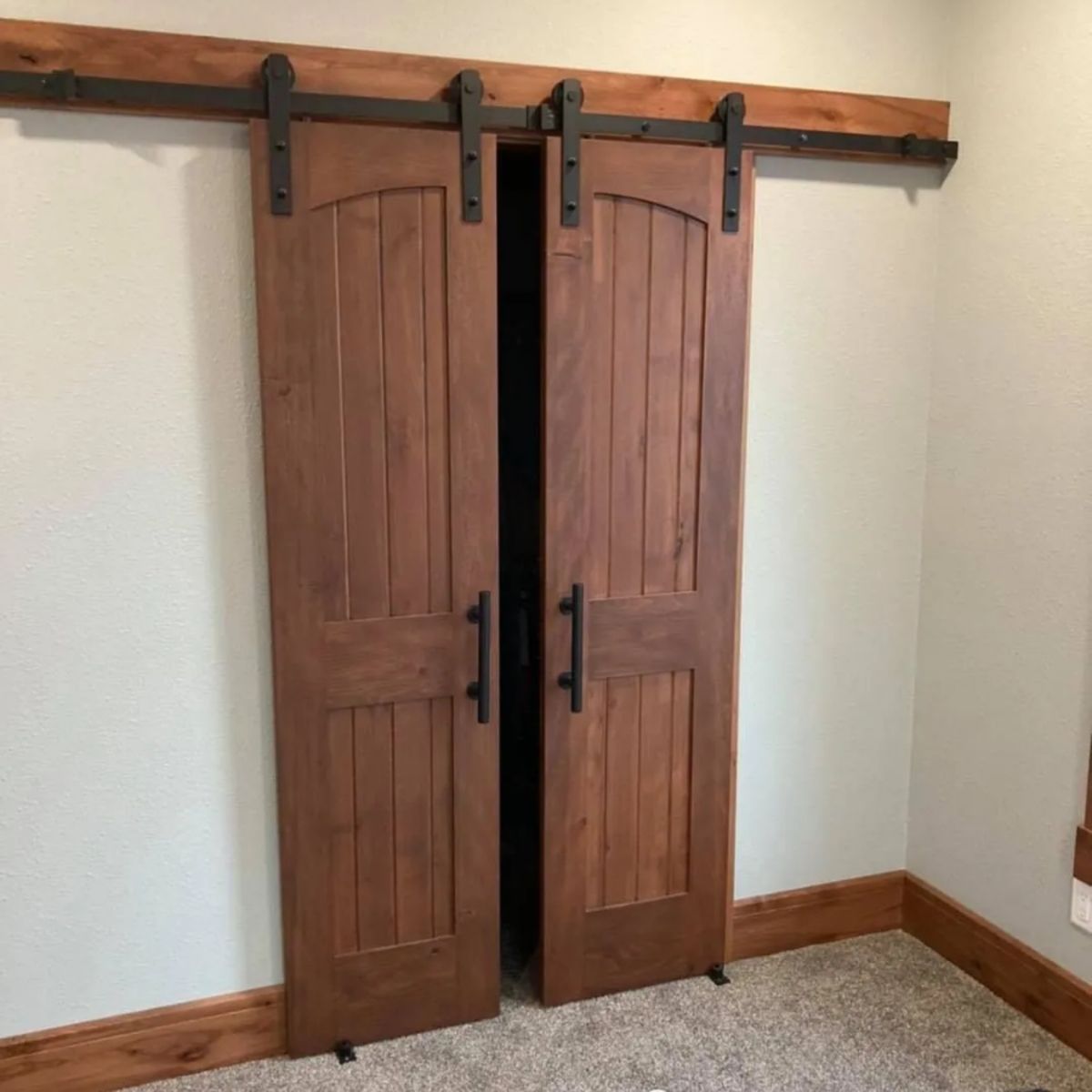
Weighing sliding barn doors against traditional doors for your Kansas City home? See where a barn door is worth the investment and where it's not.