


Luxury kitchen cabinets in Leawood, KS represent the foundation of modern high-end architectural living, combining solid hardwood joinery, flush inset profiles, and tailored interior storage. Rather than relying on mass-produced modular boxes, discerning homeowners across Johnson County now prioritize custom millwork, rich walnut and white oak textures, and integrated prep spaces that serve daily living while adding enduring value to residential properties.
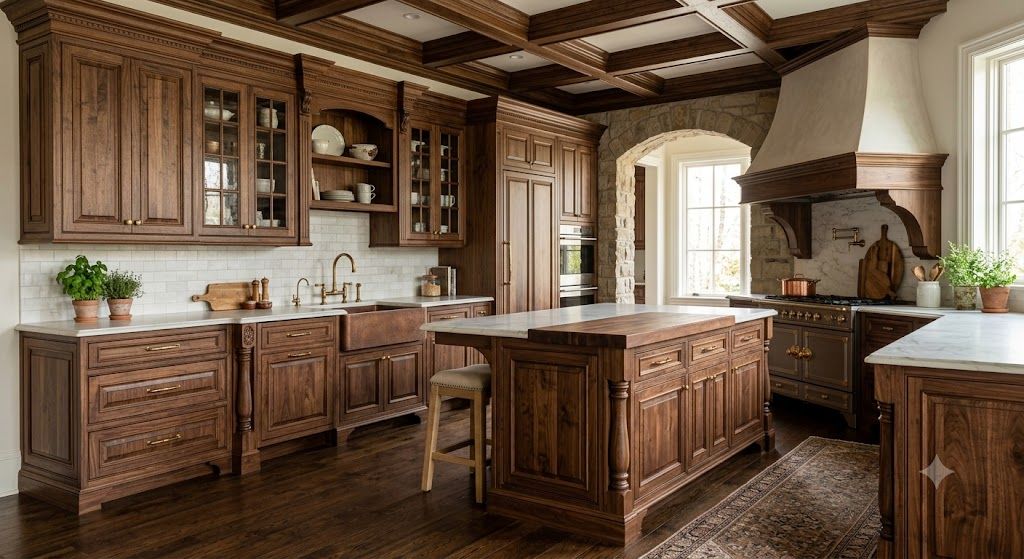
Learn 9 details that define truly custom luxury kitchen cabinets, from real wood and tailored storage to finishes and precision installation.
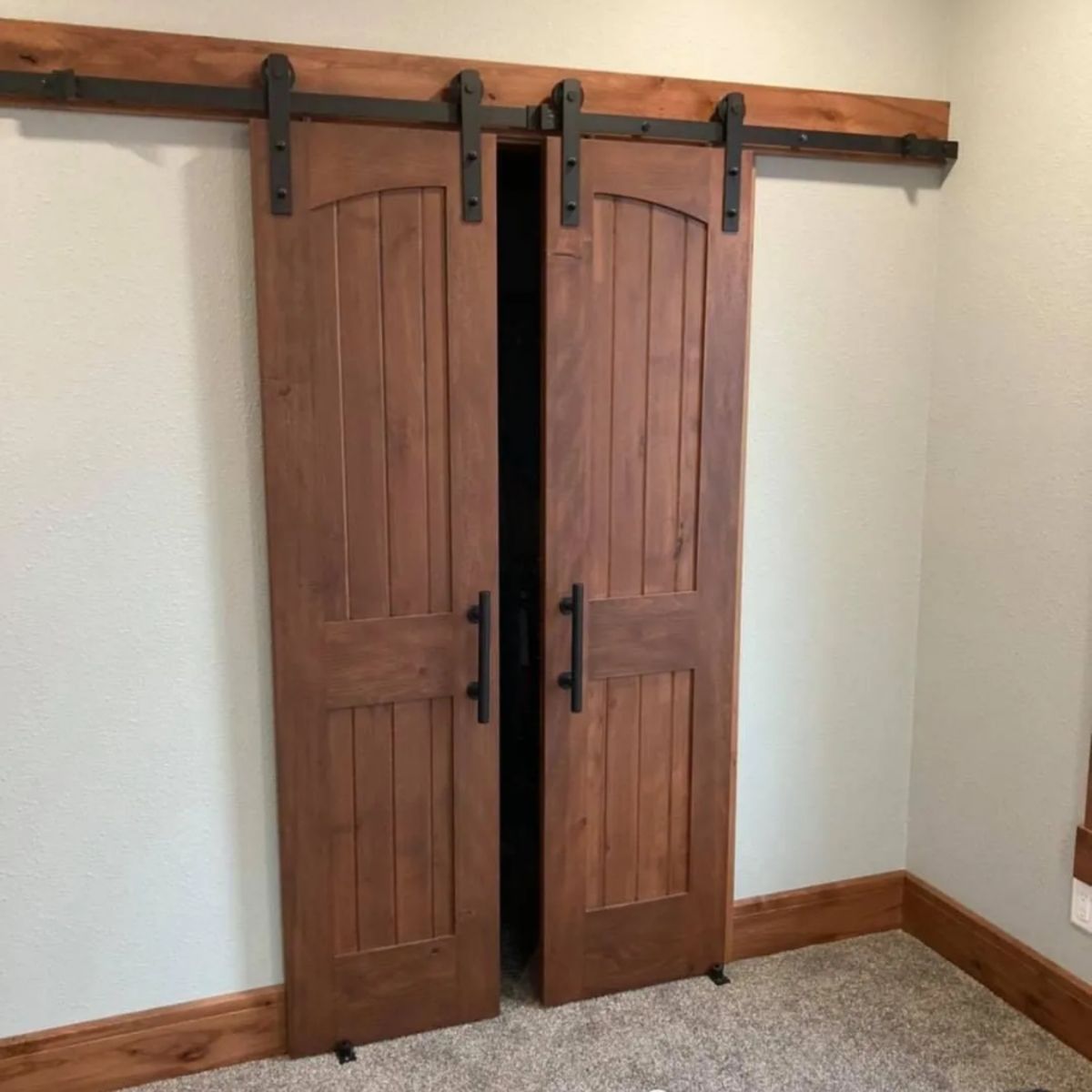
Weighing sliding barn doors against traditional doors for your Kansas City home? See where a barn door is worth the investment and where it's not.

Discover why homeowners choose Custom Sliding Doors Leawood, KS for modern living. Prairie Winds Woodworking creates handcrafted wood doors. Call 785-893-2148
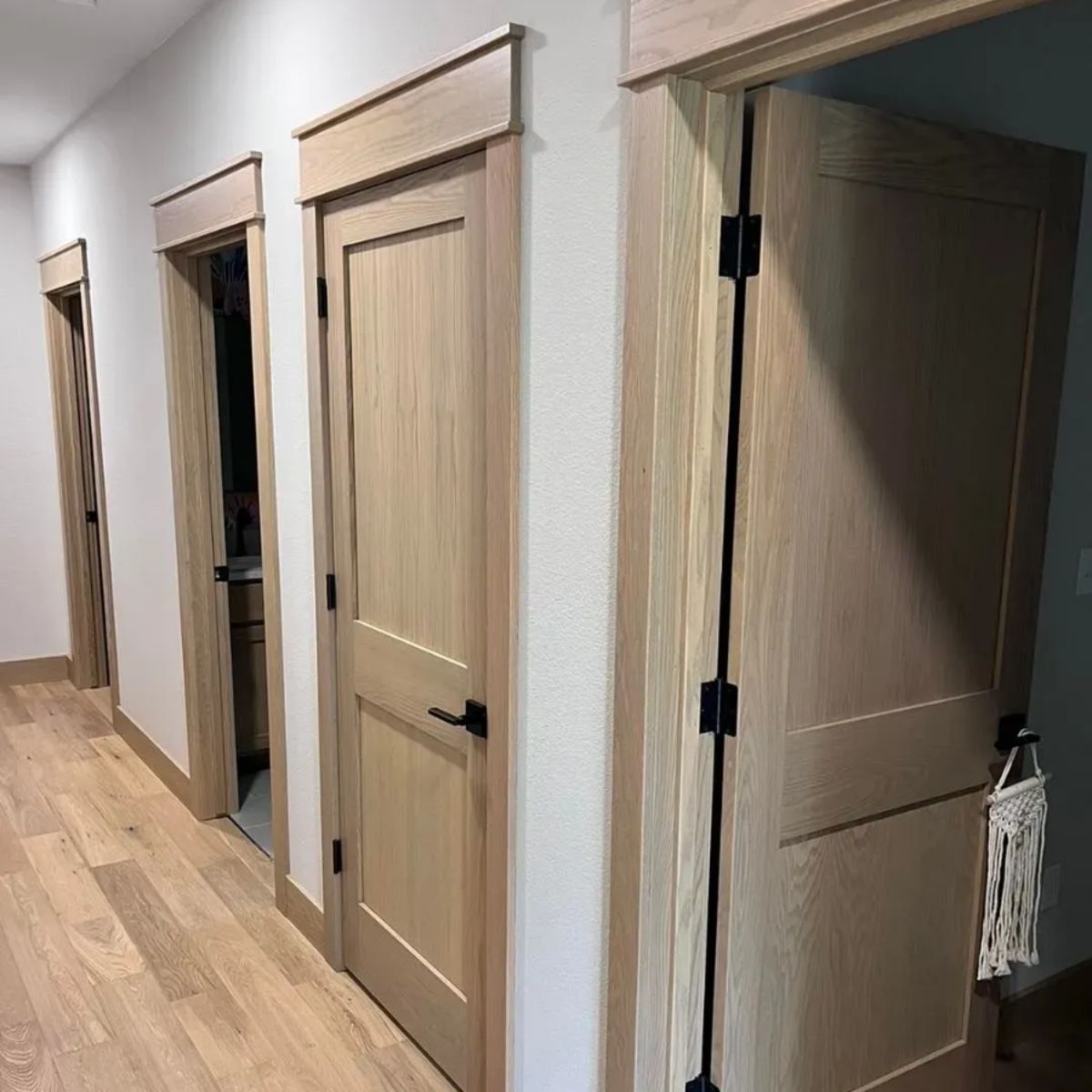
Solid wood custom interior doors offer better fit, finish, and longevity than stock options. Here's what Kansas City homeowners need to know before they buy.
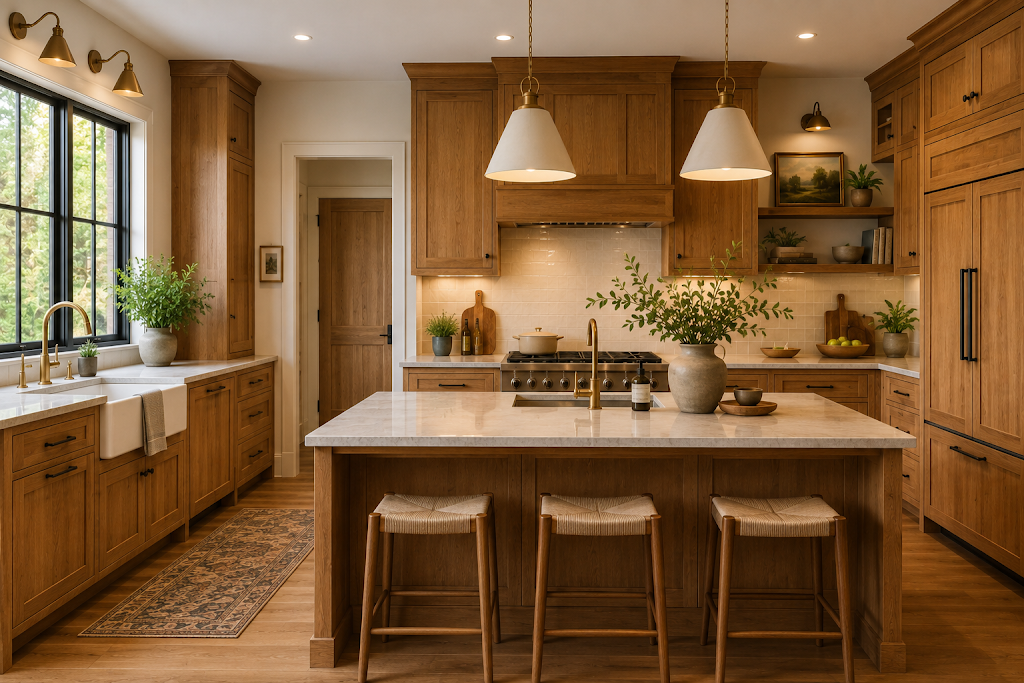
If you've ever replaced kitchen cabinets after just a few years, there's a good chance they weren't made from real wood. Melamine and particle board dominate the mass-market cabinet industry because they're cheap to produce and easy to ship. But they come with a shelf life. Real wood cabinets, when built and finished correctly, can last decades without warping, swelling, or falling apart at the joints. This guide breaks down why that difference exists, what actually happens to low-grade materials over time, and what to look for when investing in cabinetry that holds up. What Are Melamine and Particle Board, Really? Melamine and particle board are not the same thing, though they're often used together. Particle board is the base material, made from compressed wood chips, sawdust, and resin. Melamine is a paper or film laminate that's heat-pressed onto the surface to give it a finished look. Medium-density fiberboard (MDF) follows a similar concept, using finer wood fibers compressed under pressure. These materials aren't worthless. In some commercial or temporary applications, they serve a purpose. But they have three fundamental weaknesses that show up quickly in a home kitchen or bathroom environment: they absorb moisture, they don't hold fasteners well over time, and they can't be refinished. What Happens When Moisture Gets In? Real kitchens and bathrooms are humid. Steam from cooking, splashes near the sink, and humidity changes through the seasons all affect cabinetry. This is where particle board and melamine start to fail. When moisture reaches the core of particle board, the compressed wood fibers begin to swell. That swelling causes the laminate surface to bubble or crack. Once that happens, the damage is permanent. The cabinet box won't return to its original shape, and there's no practical way to repair it. You're looking at a full replacement. Real wood handles moisture differently. It does expand and contract with humidity changes, which is why proper finishing matters so much. A water-resistant coating applied correctly seals the wood and dramatically slows moisture absorption. The key phrase there is "applied correctly." Spray-applied industrial finishes like M.L. Campbell conversion varnish, which the team at Prairie Winds Woodworking uses on every cabinet they build, create a much harder, more durable surface than brush-on paints or basic sealers. That finish layer is what gives real wood its edge in wet environments. Do Fasteners Actually Matter That Much? More than most homeowners realize. Cabinet boxes take a beating over time. Hinges are opened and closed thousands of times. Drawer slides carry weight daily. Shelves hold heavy dishes and appliances for years. All of those loads transfer into the cabinet material through screws and fasteners. Particle board has one well-known weakness: it strips. Screws driven into particle board are gripping compressed sawdust. Over time, especially with repeated stress, that grip loosens. Hinges begin to pull away from the box. Drawer slides start to wobble. The structural integrity of the cabinet slowly degrades even if the surface still looks fine. Real wood grips screws the way wood is designed to. The cellular structure of solid lumber holds fasteners far more effectively. This is why custom cabinets built from real wood with quality hardware like Blum soft-close hinges and slides perform reliably for decades, while a mass-market cabinet from a box store might start showing hardware issues within five to seven years. Can You Tell the Difference Just by Looking? Sometimes, but not always. Manufacturers have gotten good at making melamine surfaces look convincing in a showroom. Here's what to look for beyond the surface:
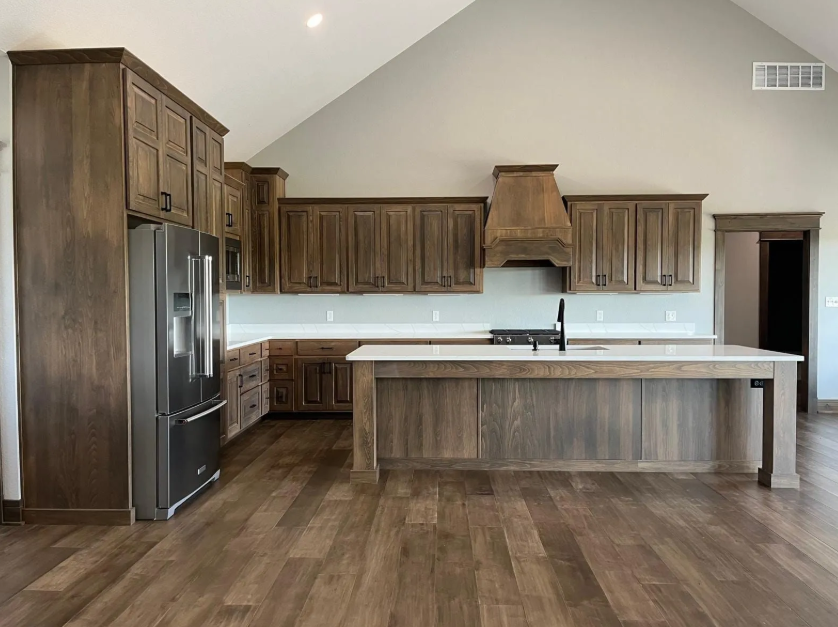
Learn how water-resistant finishes protect wood cabinets in kitchens and bathrooms, and why conversion varnish outperforms standard paint for long-term durability.

Looking for wood cabinets in Lenexa, KS? Explore styles, materials, and expert craftsmanship from Prairie Winds Woodworking for your dream kitchen.
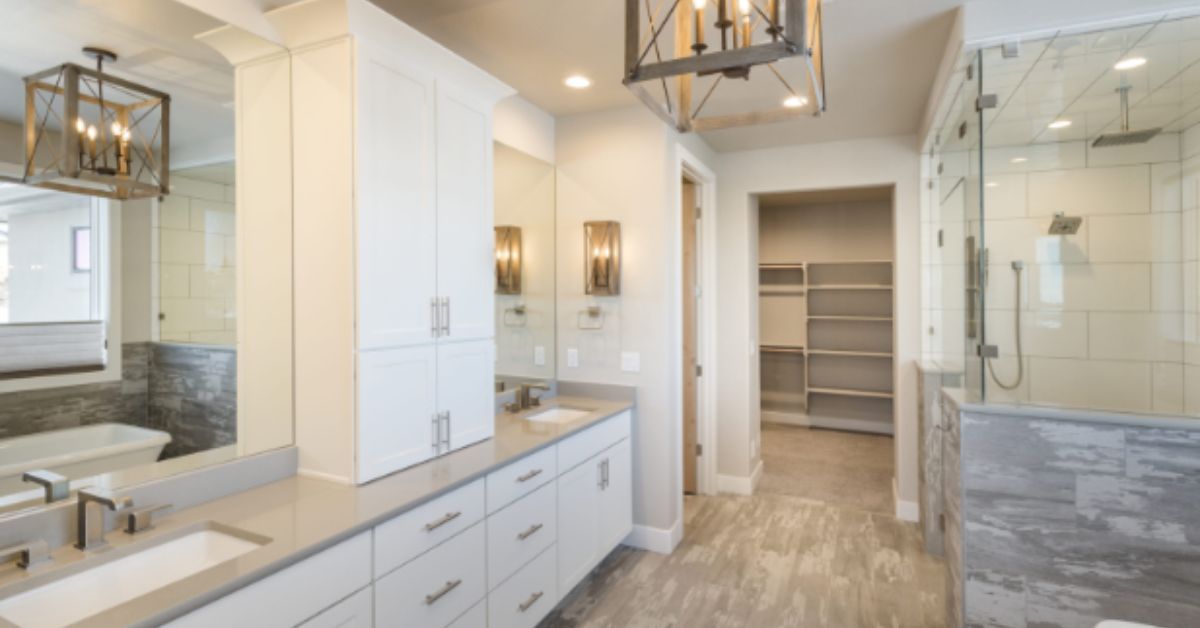
Discover bathroom cabinet makers in Kansas City, KS. Prairie Winds Woodworking creates custom storage solutions tailored to your home. Call today!

Upgrade your space with luxury kitchen cabinets in Leawood, KS. Prairie Winds Woodworking offers high-end cabinets in Kansas City, KS, with expert installation.