Designing a Custom Kitchen Island for Your Kansas City Home

Wyan Bowman • January 26, 2026
  • Designing a custom kitchen island starts with understanding how your kitchen moves and functions day to day, ensuring the island supports routines naturally instead of interrupting them.

  • When storage, seating, materials, lighting, and surrounding cabinets are planned together, the island becomes a purposeful centerpiece rather than a decorative addition.

  • A thoughtfully designed island, shaped by experienced experts, brings long-term clarity to the kitchen by reducing second-guessing and adapting seamlessly as household needs evolve.


In many Kansas City homes, the kitchen island has quietly become the place where mornings begin, conversations unfold, and everyday life happens without ceremony. It is where coffee cups land before the day starts and where plans are sketched long before dinner is ready. In homes where wood plays a central role, the island often becomes the most tactile surface in the room, shaped as much by material choice as by layout. Designing a custom kitchen island is not about filling space. It is about understanding how a home moves, how people gather, and how a kitchen supports both without getting in the way. 


Here is how thoughtful design turns a kitchen island into one of the most purposeful elements in your home.


1. Letting the Island Earn Its Place In the Room


Before materials or measurements come into play, the island must be justified by how the kitchen actually functions and how the space is experienced every day.


a. Understanding How Your Kitchen Actually Works


Before any measurements are taken or materials discussed, the most important step is observing how the kitchen is used today. Where people naturally pause. Which paths get crossed during cooking? Where clutter tends to collect without intention.


A custom island should respond to those patterns instead of forcing new ones. In some kitchens, the island becomes the primary prep zone. In others, it functions more as a gathering point that supports cooking without interrupting it. Designing without this clarity often leads to islands that look impressive but feel awkward in daily use.


The best islands are shaped by movement, not by trends.


b. Proportion Matters More than Size


Bigger is not always better, especially in Kansas City homes where kitchens range from historic layouts to modern open plans. An island that overwhelms the room can disrupt flow just as easily as one that feels too small to be useful.


Proportion is about balance. The distance between the island and the surrounding countertops. The clearance is needed for appliances and foot traffic. The visual weight of the island in relation to ceilings and sightlines.


When proportions are right, the island feels grounded and calm. It does not demand attention. It simply works.


c. Respecting Natural Sightlines


An island often sits at the center of the kitchen, which means it is visible from multiple angles. From adjoining living spaces. From entryways. Sometimes even from the front door.


This visibility makes design restraint essential. Clean lines, thoughtful materials, and intentional detailing prevent the island from becoming visually noisy. The goal is not to hide the island, but to allow it to belong comfortably within the broader space.


A well-designed island supports the room without trying to dominate it.


d. Aligning with Existing Architecture


Kansas City homes often carry strong architectural identities. Craftsman details. Traditional trim. Modern simplicity. Transitional blends.


A custom island should acknowledge that context rather than ignore it. This can show up in subtle ways through edge profiles, panel detailing, or material choices that echo the rest of the home.


When the island aligns with the architecture, it feels integrated rather than inserted.


e. Designing for Longevity


Trends move quickly, but kitchens are long-term investments. An island designed around fleeting styles can feel dated far sooner than expected.


Focusing on proportion, material honesty, and practical layout creates an island that remains relevant even as finishes and décor evolve around it. Longevity is not about playing it safe. It is about choosing elements that age with confidence.


2. Building Function Into Every Detail


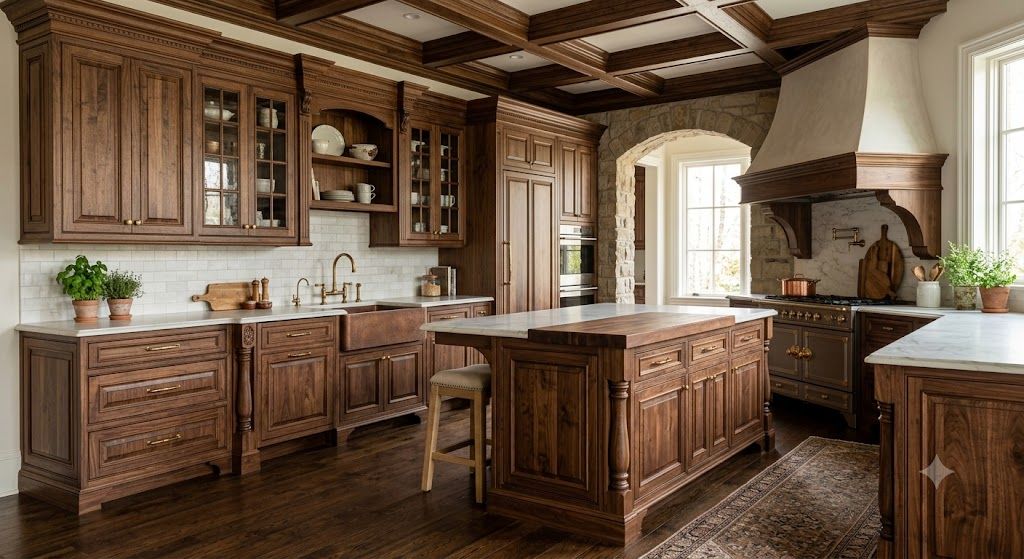
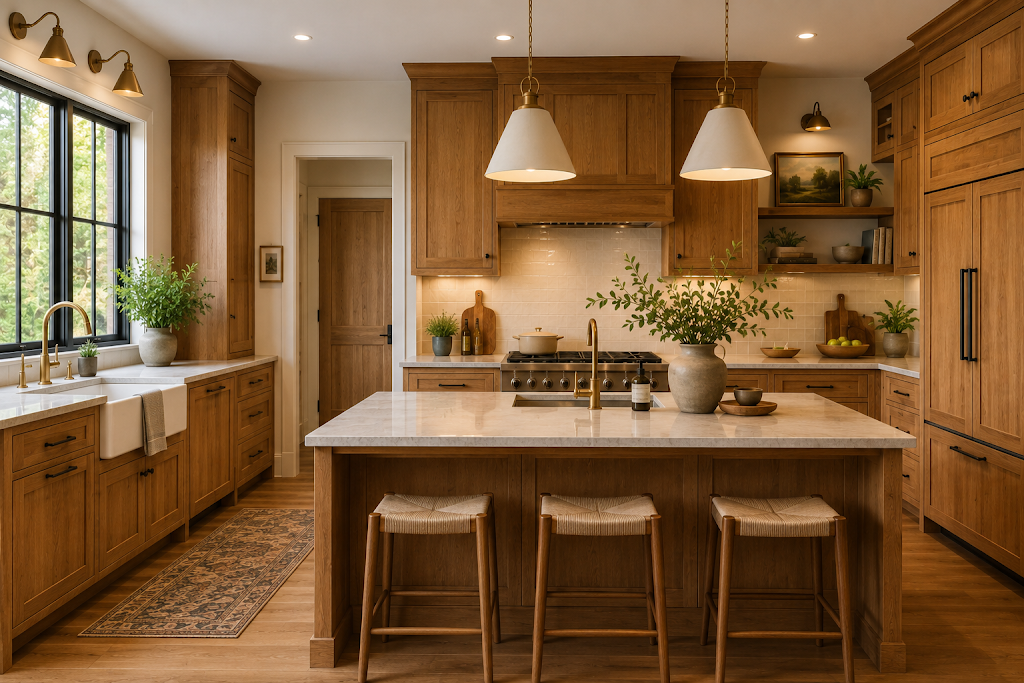
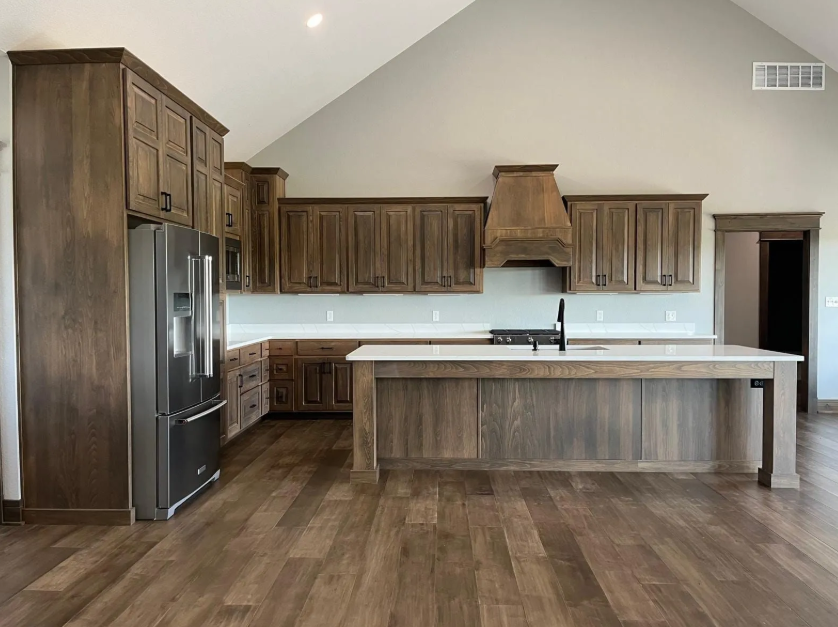
Custom wood kitchen island and cabinets in a bright, open kitchen

Once the island’s place in the room is established, the next step is ensuring that every element contributes meaningfully to how the kitchen is used.


a. Storage That Solves Real Problems


One of the biggest advantages of a custom island is the opportunity to rethink storage entirely. Instead of repeating standard layouts, the island can be designed around what actually needs a home.


Deep drawers for cookware. Vertical storage for trays. Hidden compartments for small appliances. Even open shelving where daily items feel natural rather than cluttered.


Thoughtful storage design reduces friction in the kitchen. Everything has a place, and using the space feels effortless.


b. Integrating Seating Without Compromise


Island seating is often treated as an afterthought, squeezed in once the rest of the design is finalized. This usually leads to cramped legroom or awkward overhangs.


Designing seating from the beginning allows the island to support comfort without sacrificing function. Proper overhang depth. Comfortable spacing between seats. Clear circulation around occupied stools.


When done well, seating feels like part of the island’s purpose rather than a secondary feature.


c. Choosing Materials That Match the Pace Of Life


A kitchen island sees more daily contact than almost any other surface in the home. It needs to withstand spills, heat, impact, and constant use.


Material choices should reflect how the kitchen is lived in, not just how it looks in photos. Durable countertop surfaces. Finishes that resist wear. Wood selections that age gracefully instead of showing damage quickly.


This balance between beauty and resilience is what keeps the island looking composed over time.


d. Coordinating with Surrounding Cabinets


The island should complement the surroundingcabinetswithout copying them exactly. This creates visual interest while maintaining cohesion. 


Sometimes that means a contrasting finish. Other times, a subtle variation in texture or tone. The relationship should feel intentional rather than accidental.


A custom island offers the freedom to introduce depth without disrupting harmony.


e. Lighting As Part of the Design


Lighting over the island is often selected late in the process, but it plays a critical role in how the island is experienced.


Task lighting needs to be functional. Ambient lighting should support the atmosphere.


The scale and placement of fixtures should reinforce the island’s proportions. When lighting aligns with the island’s design, the entire kitchen feels more composed.


3. Custom Design That Reflects How You Live


Beyond layout and function, the island should ultimately reflect the rhythm, priorities, and personality of the household.


a. Tailoring the Island to Daily Routines


Every household uses the kitchen differently. Some cook extensively. Others gather more than they prepare. Some need space for homework, laptops, or casual meetings.


A custom island allows these realities to shape the design. Integrated power outlets. Expanded prep areas. Mixed-height surfaces that support multiple activities at once.


When the island reflects daily life, it becomes indispensable rather than decorative.


b. Adapting to Entertaining Styles


In many Kansas City homes, the kitchen plays a central role during gatherings. The island often becomes the informal hub where guests naturally gather.


Designing with entertaining in mind means creating surfaces that invite interaction without interfering with cooking.


Adequate space for serving. Clear boundaries between prep and social areas.


The island becomes a bridge between function and hospitality.


c. Blending Craftsmanship with Simplicity


A custom island does not need excessive ornamentation to feel special. In fact, restraint often highlights craftsmanship more effectively than complexity.


Clean joinery. Thoughtful proportions. Well-executed finishes. These elements speak quietly but clearly.

Simplicity allows quality to show itself.


d. Planning for Future Needs


Families grow. Routines change. What works today may need to adapt tomorrow.


A well-designed island anticipates these shifts. Flexible storage. Durable materials. Layouts that can accommodate different uses over time.


This foresight protects the investment and extends the island’s relevance. It allows the island to keep working well

even as daily habits and family routines change.


e. Working with True Experts


Designing a custom kitchen island requires more than selecting finishes. It demands an understanding of construction, workflow, and long-term performance.


Working with experiencedexpertsensures that design decisions are informed by practical knowledge, not just aesthetics. The result is an island that feels resolved, not experimental.


The Decision You Don’t Revisit


Most kitchen decisions are revisited later, questioned, adjusted, or quietly worked around. A well-designed kitchen island is different. When it is planned with intention, it becomes one of the few choices homeowners rarely second-guess. That confidence comes from making one central decision correctly, early on, so everything else has a clear point of reference. The island sets the tone, anchors the space, and removes uncertainty from how the kitchen is lived in.When a space stops asking for fixes, it starts giving back time, ease, and clarity. That is the real payoff.


Prairie Winds Woodworking
brings thoughtful design, skilled craftsmanship, and practical insight to every custom kitchen island it creates, ensuring each piece supports how your home truly functions.Get in touchto explore a custom kitchen island designed specifically for your Kansas City home, built to work beautifully today and hold its value for years to come.

Share this article

Recent Posts

Custom architectural millwork with arched openings and built-in cabinetry
By Wyan Bowman February 4, 2026
Learn how custom architectural millwork brings structure, flow, and long-term value to residential spaces through thoughtful design and expert craftsmanship.
Custom wood doors in Kansas City, KS handcrafted by Prairie Winds Woodworking
January 23, 2026
Custom Wood Doors Kansas City, KS crafted for beauty, durability, and energy efficiency. Trust Prairie Winds Woodworking—book a free consultation today.
High-end custom cabinets handcrafted by Prairie Winds Woodworking in Kansas City, KS
January 2, 2026
Explore high-end cabinets in Kansas City, KS. Learn what sets premium cabinetry apart and why Prairie Winds Woodworking is trusted for custom craftsmanship. Primary Keyword: High-End Cabinets Kansas City, KS Secondary Keywords: Custom wood doors, Custom Interior & exterior doors